
 May 1, 2026
 By Casey Wahl
  Share The Article


Tony Blair had a theory about political competence.1 In the first stage, a leader arrives full of questions, listening well, aware of how much they don't know. In the second stage, hubris sets in: they believe they have seen everything, that their instincts are sufficient, and asking questions becomes a weakness. Only a few, Blair argued, ever reach the third stage: an earned wisdom built on real experience. Most politicians peak at stage two, confusing fluency with insight.
I have been managing people for twenty years. Instinctually, without conscious thinking, I'd just assumed I have long been in that stage.
But recent events make me think I'm actually stuck in stage 2. Like many of you.
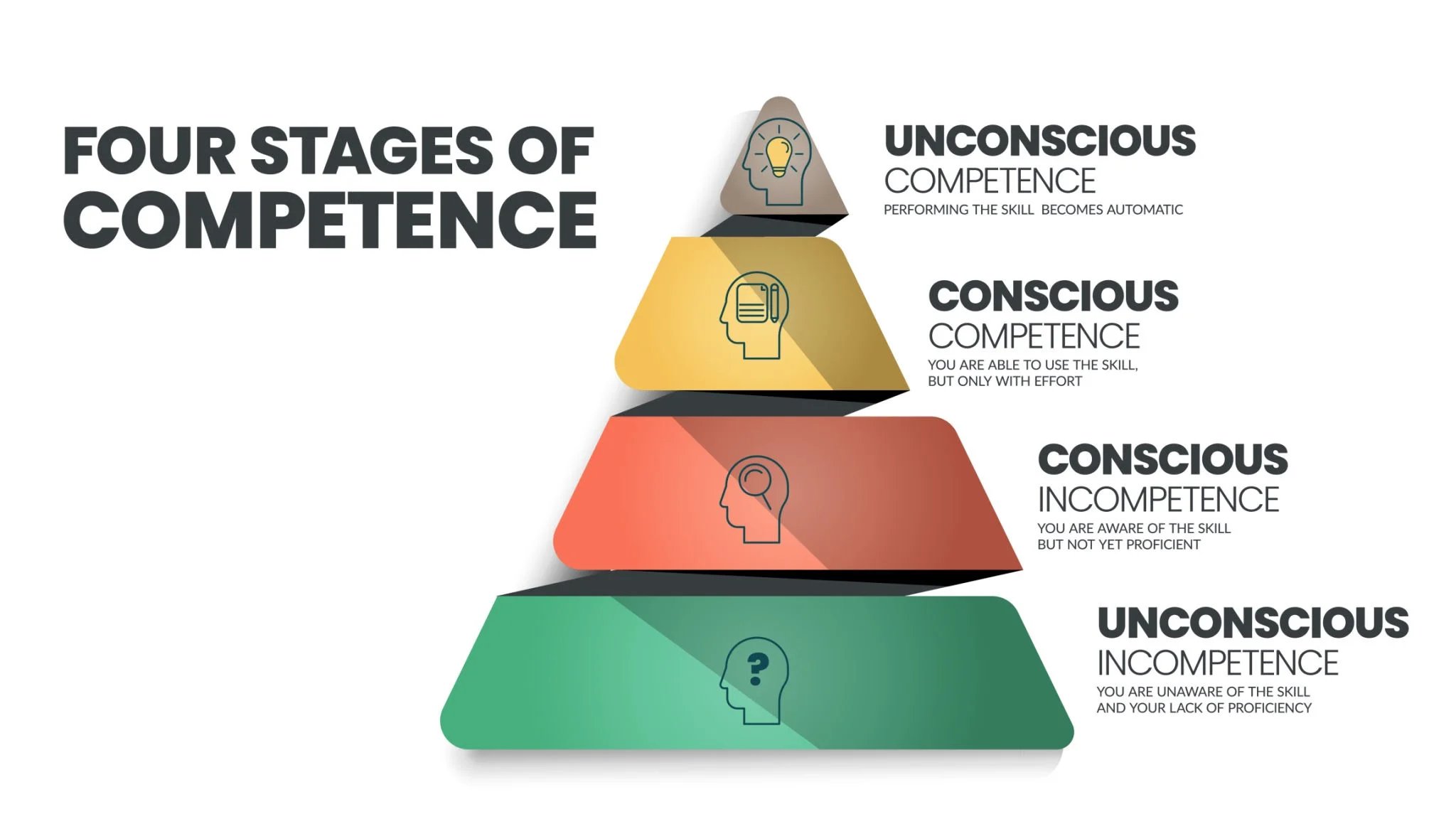
Management literature calls it “Unconscious Competence,” the satisfying state where you do the right management action without thinking about it, where the muscle memory of management just works. What we often forget (and a wise trainer had taught me nearly twenty years ago, before that lesson seemed to have gone to the attic of my late 40s brain) is that we often tumble off our “Unconscious Competence,” and arrive with a soft feathery landing right back at “Unconscious Incompetence” without even feeling the whoosh of air or having our sense of balance awakened with a change. We're just back at the baby stage of incompetent management.
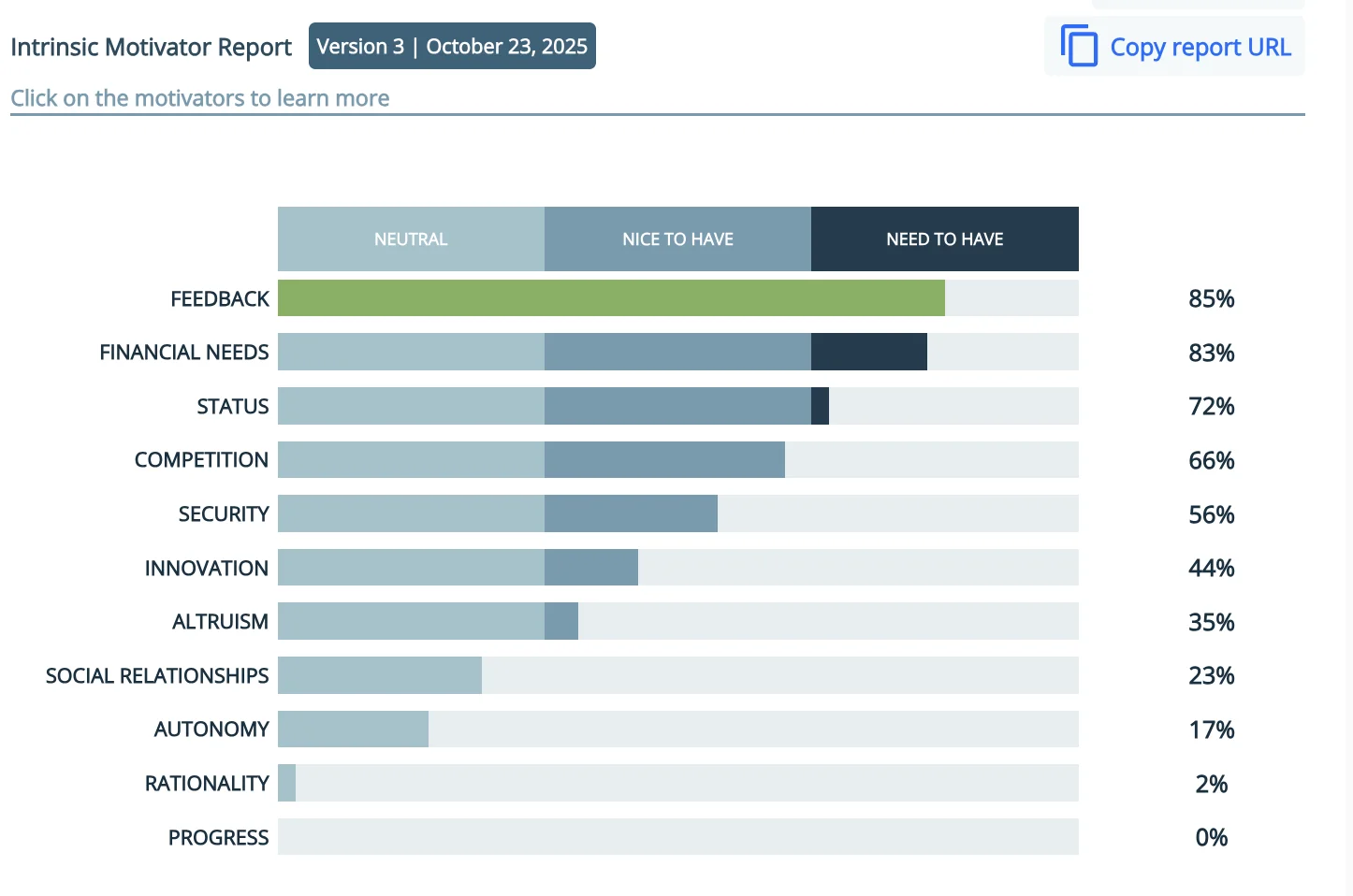
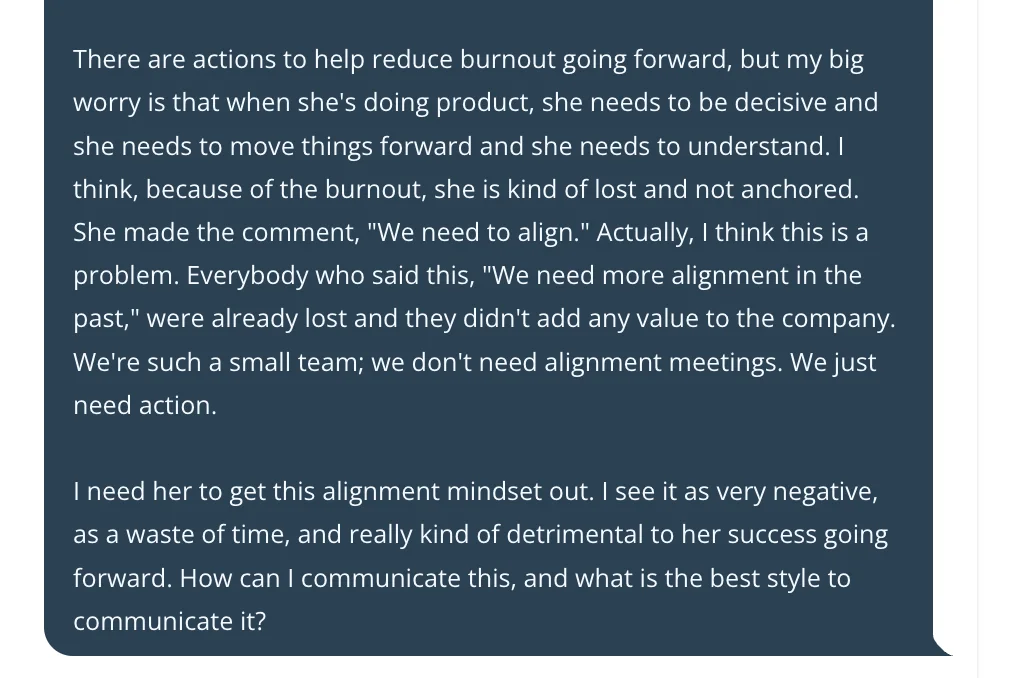
I've been working with a talented, empathetic, and customer attuned (like that?) member for several years. Let's call her Gabriella.
I needed to move her from her previous position into a more product-focused role. She understood our product pain points better than almost anyone. I thought it was a brilliant managerial move: a new career chance for a dedicated member; lots to learn for her, but with a skill / role fit that felt particularly well matched.